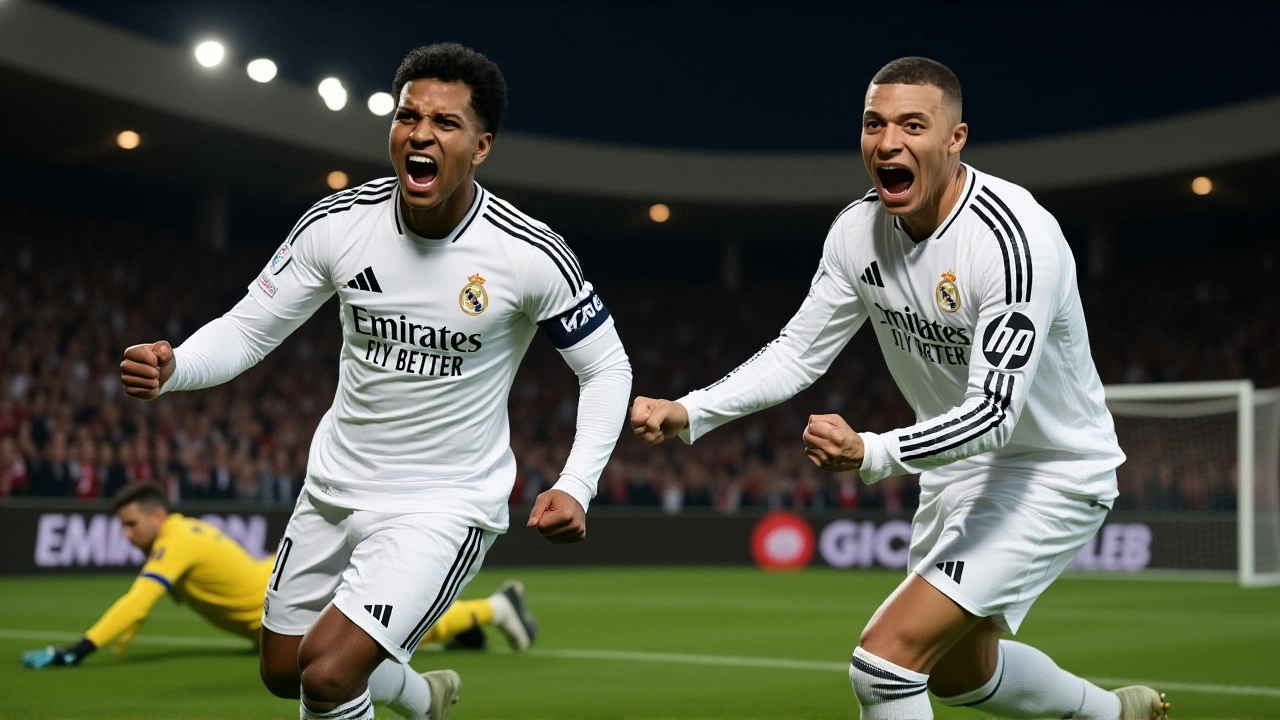
Real Madrid didn’t just win another Champions League title—they rewrote the financial rulebook of global sports. In the 2023-24 season, the Spanish football giant generated €1,045.5 million in revenue, becoming the first club in history to breach the €1 billion threshold, according to Deloitte’s Football Money League 2025. That’s not just a record—it’s a seismic shift in how elite football operates. With a brand value of €1.921 billion and a near-perfect 94.9/100 Brand Strength Score, Real Madrid now sits alone at the top, far ahead of rivals like Manchester City and Paris Saint-Germain. And the numbers don’t lie: they’re not just winning games. They’re building an empire.
A New Financial Era for Football
Deloitte’s annual report, published in early 2025, called Real Madrid’s milestone a “watershed moment for football club commercialization.” For context, the entire top 20 clubs combined pulled in €11.2 billion last season. Real Madrid accounted for nearly 10% of that—on their own. Their commercial revenue jumped 28% year-over-year, matchday income rose 15%, and broadcasting income grew 12%. That’s not luck. It’s strategy.Compare that to Manchester City, whose brand value dropped 11% to €1.4 billion amid sponsorship turmoil, or Barcelona, which clawed back to second place at €1.7 billion after a two-year slump. Real Madrid didn’t just hold steady—they accelerated. And they did it without relying on billionaire owners or Middle Eastern sovereign wealth funds. Their model is self-sustaining: on-field dominance fuels global demand, which fuels revenue, which fuels more dominance.
The Santiago Bernabéu: A Revenue Machine Under Construction
The beating heart of this financial engine is the Santiago Bernabéu Stadium, located at Avenida de Concha Espina, 1, 28036 Madrid. The club has poured €350 million into its renovation, with a long-term €1.2 billion development plan to transform it into what insiders call the “21st century temple of football.” When complete, the stadium is projected to generate €400–500 million annually—nearly half of their current total revenue.That’s not just ticket sales. The revamped venue now includes luxury suites, a hotel, a museum, retail spaces, and a retractable pitch that allows for concerts and non-football events. The club estimates the stadium’s annual revenue will surpass the entire turnover of many Premier League clubs. And here’s the kicker: they’re doing this while remaining profitable. No debt-fueled spending. No financial fair play violations. Just smart, long-term planning.
Global Reach, Local Roots
Real Madrid’s commercial dominance isn’t just about Europe. They’ve spent decades building a global fanbase—600 million+ across social media, more Google searches than any other club, and a presence in Latin America, Africa, and Asia that rivals the NFL’s U.S. dominance. Their youth academy, La Fábrica, has produced legends like Iker Casillas and Raúl González, creating a cultural connection that transcends trophies.They’ve opened youth academies in Mexico City, Jakarta, and Lagos—not just to find talent, but to build lifelong brand loyalty. In Brazil, a kid wearing a Real Madrid jersey might never set foot in Madrid, but he knows the club’s history, sings the anthem, and buys the merchandise. That’s the power of consistency. And it’s paying off. Their record €1 billion jersey deal with Adidas, signed in 2022 and running through 2030, remains the largest in sports history.
Florentino Pérez: The Architect of the Empire
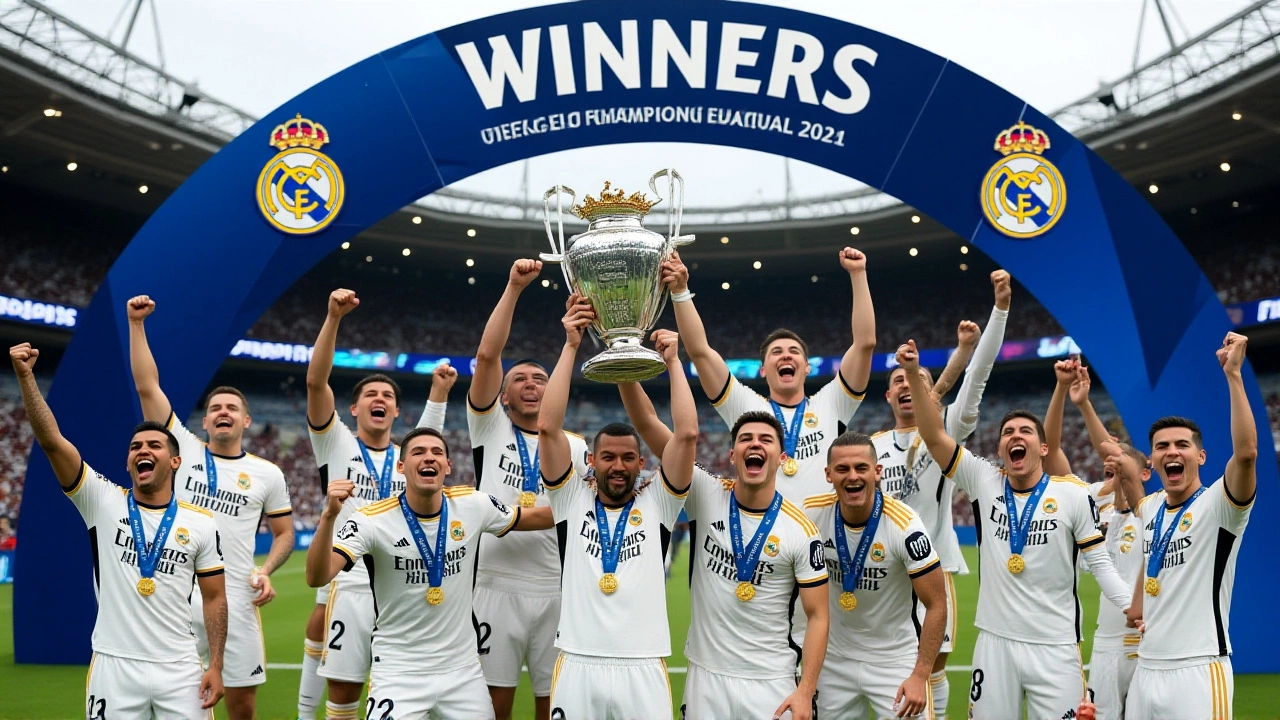
None of this happened by accident. It’s the work of Florentino Pérez, who has served as president since 2009 (and previously from 2000–2006). Under his leadership, Real Madrid has mastered the balance between sporting excellence and commercial growth. He didn’t just sign stars—he built systems. He didn’t just win titles—he turned wins into revenue streams.Pérez’s vision was simple: dominate Europe, expand globally, and never stop investing. The club’s 15th Champions League title in 2024, won against Borussia Dortmund, wasn’t just a sporting triumph—it was a marketing bonanza. Merchandise sales spiked 42% in the 72 hours after the final. The official app saw 8 million new downloads. The club’s digital platforms now generate more traffic than most major media networks.
What Comes Next?
Analysts at Forbes and CNBC now value Real Madrid at over $6.7 billion, making them the most valuable sports team on the planet—not just in football, but across all sports. Deloitte predicts revenue will hit €1.2–1.3 billion by 2026, once the Bernabéu renovations are fully operational. Meanwhile, rivals are scrambling. Manchester United’s new owners are investing heavily in digital infrastructure. Barcelona is trying to restructure its debt. But Real Madrid? They’re already in a league of their own.The twist? They’re doing it without the flashy, headline-grabbing transfers that dominate headlines. Their most expensive signing last season? €80 million. Not even top five in the world. Their edge isn’t in spending—it’s in sustaining.
Frequently Asked Questions
How does Real Madrid’s €1 billion revenue compare to other sports teams?
Real Madrid’s €1.045 billion revenue surpasses every other sports team globally, including the NFL’s Dallas Cowboys ($6.8 billion valuation, but $570 million revenue) and NBA’s Golden State Warriors ($5.5 billion valuation, $480 million revenue). Only the New England Patriots and Manchester United come close in revenue, but neither has crossed €1 billion. Real Madrid is the first football club—and first team in any sport—to do so.
What led to Real Madrid’s commercial success?
Three factors: consistent Champions League success, long-term sponsorship deals like the Adidas contract, and aggressive global expansion through academies and digital engagement. Unlike clubs reliant on wealthy owners, Real Madrid’s model is self-fueling—winning drives fan growth, which drives merchandise and licensing revenue, which funds better players and infrastructure.
How has the Santiago Bernabéu renovation impacted revenue?
The renovation has already boosted matchday income by 15% in 2023-24, and when fully complete, the stadium is projected to generate €400–500 million annually. This includes premium seating, concerts, events, and retail. That’s more than the entire annual revenue of clubs like Tottenham Hotspur or Atlético Madrid. The stadium is now a year-round commercial hub, not just a football venue.
Why is Real Madrid’s brand strength score so high?
Brand Finance awards AAA+ ratings only to organizations with consistent global recognition, financial stability, and emotional resonance. Real Madrid’s 94.9/100 score reflects its 15 Champions League titles, 600 million+ fans, and decades of cultural influence. Even non-football fans recognize the logo. That kind of brand equity is rare—only Apple and Coca-Cola rank higher in global brand strength.
Is Real Madrid’s revenue growth sustainable?
Yes. Their revenue streams are diversified: commercial (45%), matchday (30%), and broadcasting (25%). With the Bernabéu renovation nearly complete, they’re locking in long-term income. Plus, their youth academy ensures talent continuity without massive transfer fees. Unlike clubs that boom and bust, Real Madrid’s model is designed to last—decades, not seasons.
What does this mean for other football clubs?
It raises the bar. Clubs like Manchester City and PSG now need to match Real Madrid’s global infrastructure, not just star power. The €1 billion threshold is no longer aspirational—it’s the new baseline. Smaller clubs are being squeezed out of sponsorship deals and media rights. The gap between the elite and the rest is becoming a chasm.