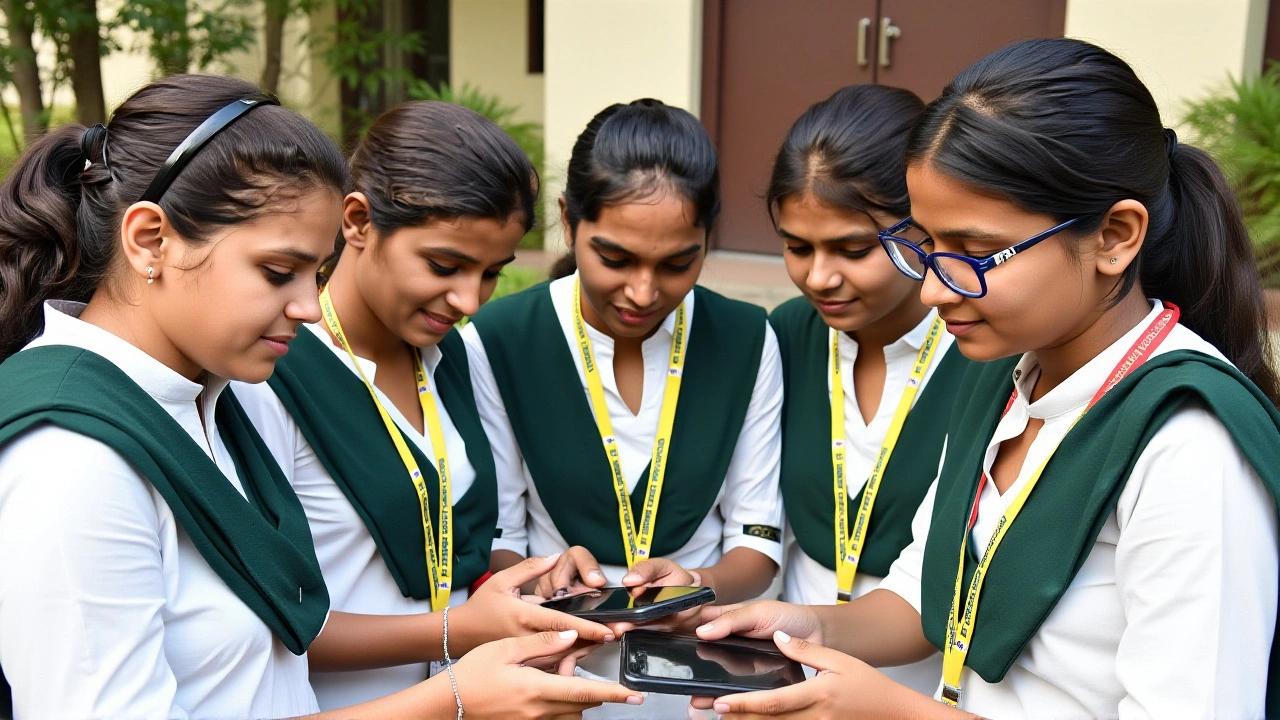
The wait is finally over for thousands of students across the state. On May 26, 2026, the Directorate of Higher Secondary Education, Kerala (DHSE) officially declared the Plus Two results, marking a pivotal moment for Class 12 graduates. The announcement wasn't just another bureaucratic release; it was a statewide event centered in Thiruvananthapuram, where State Education Minister V. Sivankutty unveiled the scores to a mix of relief and anxiety among families.
Here’s the thing that caught everyone’s attention immediately: the overall pass percentage stood at **77.97%**. It’s a solid figure, but for individual students, that number means nothing until they see their own names on the list. The results cover both the standard academic stream and the Vocational Higher Secondary Education (VHSE) tracks, ensuring that every candidate who sat for the public exams has their future mapped out.
How to Check Your Result Online
If you’re staring at your phone right now, wondering how to get those marks without hitting a dead end, you’re not alone. The digital infrastructure this year was robust, offering multiple entry points. The primary portal remains keralaresults.nic.in, which handled the bulk of the traffic smoothly. However, if that site felt sluggish, students had backups like dhsekerala.gov.in and result.kite.kerala.gov.in.
The process is straightforward, almost deceptively so. You head to one of these official sites, click on the link labeled "DHSE/VHSE Examination Results 2026," and enter your registration number along with your date of birth. Hit submit, and there it is—your provisional marksheet. But wait, don’t just glance at it. Experts advise downloading or printing this document immediately. Why? Because this provisional sheet is often required for college admissions and scholarship applications before the final certificates are issued. Losing access to it later could mean unnecessary headaches.
Beyond the Browser: Apps and SMS Options
Not everyone has reliable high-speed internet, especially in remote parts of the state. Recognizing this, the board integrated the results into several mobile platforms. The DigiLocker app became a go-to for many, allowing students to store their digital marksheets securely after verifying via Aadhaar. For those who prefer government-backed apps, the UMANG platform also hosted the data, searchable under Kerala DHSE services.
But the real game-changer for accessibility was the SMS service. If you couldn’t get online, you simply sent an SMS in the format "KERALA12 [REGISTRATION NUMBER]" to 56263. Within minutes, the detailed result popped up on your screen. It’s a low-tech solution for a high-stakes problem, and it worked surprisingly well. Additionally, local apps like PRD LIVE (run by the Public Relations Department), SAPHALAM, and iExaMS - Kerala provided alternative interfaces for checking scores, catering to different user preferences.
School-Wise Results and Community Impact
There’s something uniquely communal about result day in Kerala. Teachers, parents, and even neighbors gather to check school-wise performance. The DHSE portal offered a specific feature for this: users could enter their school code to view a list of all students from that institution. This allowed principals and teachers to quickly identify top performers and those who might need support.
This collective viewing experience highlights the cultural weight of these exams. It’s not just about individual achievement; it’s about institutional pride. Schools with historically lower pass rates celebrated hard-won improvements, while elite institutions analyzed marginal dips in scores. The 77.97% aggregate reflects a diverse landscape of academic performance across urban centers like Kochi and rural districts alike.
What Comes Next?
Now that the dust has settled, what’s the immediate next step? For most students, it’s college counseling and admission processes. The provisional marksheets serve as proof of eligibility for undergraduate programs in arts, science, commerce, and vocational courses. Students who failed in one or two subjects will soon receive information about supplementary examinations, typically scheduled a few months later.
For those who passed, the focus shifts to securing seats in preferred colleges. The competition is fierce, especially for professional courses like engineering and medicine, where merit lists are generated based on these Plus Two scores plus entrance exam ranks. It’s a critical transition period, and having accurate, accessible records is paramount.
Frequently Asked Questions
When were the Kerala Plus Two results declared?
The results were officially declared on May 26, 2026, by State Education Minister V. Sivankutty in Thiruvananthapuram. They were made available online starting at 3 pm on that same day.
What was the overall pass percentage for 2026?
According to reports from India Today and other educational outlets, the overall pass percentage for the Kerala DHSE Plus Two Result 2026 was 77.97%. This figure includes both regular academic and vocational streams.
Can I check my result via SMS?
Yes. Students can send an SMS in the format "KERALA12 [REGISTRATION NUMBER]" to the shortcode 56263. This service is particularly useful for those with limited internet access.
Which websites are official for checking results?
The primary official portals are keralaresults.nic.in, dhsekerala.gov.in, and result.kite.kerala.gov.in. Other verified sources include pareekshabhavan.kerala.gov.in and results.hse.kerala.gov.in.
Do I need to print my marksheet?
It is highly recommended to download and print your provisional marksheet immediately. This document is often required for college admissions and other administrative processes before the final certificate is issued.