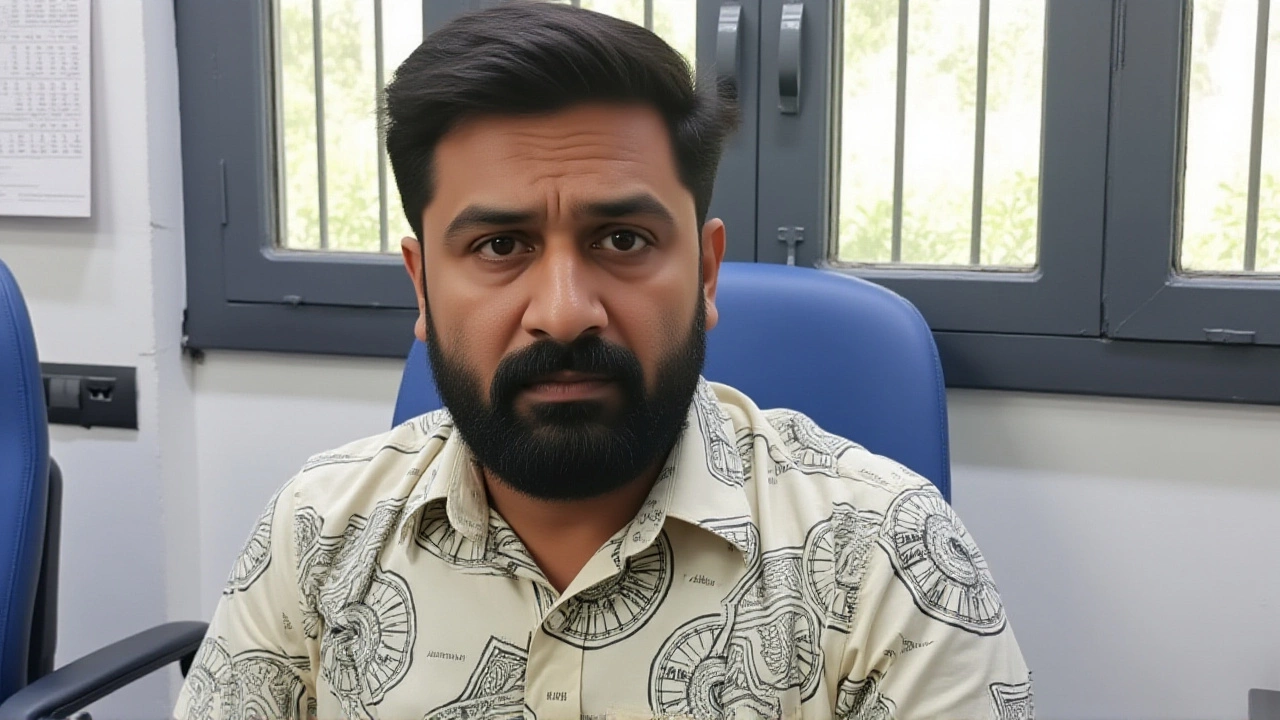
It’s not a typo. It’s not a glitch in the matrix. And it’s definitely not a joke—at least, not to the millions of frustrated young Indians rallying behind it. The Cockroach Janata Party (CJP) has emerged as one of the most potent symbols of youth anger in India, challenging established political norms through sheer satire and digital mobilization.
Founded on May 16, 2026, by former AAP strategist Abhijeet Dipake, political communication strategist, this satirical movement isn't registered with the Election Commission. Yet, its Instagram following has reportedly surpassed 10 million—outpacing several major national parties. Here’s the twist: despite its massive reach, its account on X (formerly Twitter) has been banned in India, sparking a fresh wave of debate about free speech and dissent.
The Symbolism of Survival
Why a cockroach? Turns out, it’s a brilliant piece of political theater. The CJP chose the insect because, well, cockroaches are older than dinosaurs. They survive nuclear blasts. They adapt. They endure. For Generation Z in India, grappling with soaring inflation, crumbling public health systems, and an education sector that feels increasingly inaccessible, the cockroach is the perfect avatar.
"The cockroach doesn’t ask for permission to exist," reads a popular post from the movement. "Neither should we." The party’s slogan, "Voice of the Lazy and Unemployed," might sound self-deprecating, but it’s actually a sharp critique of a system that leaves millions educated yet jobless. It’s a badge of honor worn by those who feel ignored by traditional power structures.
From Meme to Movement
The details of how this blew up are fascinating. What started as a satirical page mocking the naming conventions of mainstream parties—specifically drawing a parallel to the ruling Bharatiya Janata Party (BJP)—quickly evolved into a platform for genuine grievance. Abhijeet Dipake, leveraging his background in political strategy, packaged these frustrations into digestible, shareable content.
But wait, there’s more. The movement didn’t just stop at memes. It laid out a concrete agenda: 50% reservation for women, press freedom, electoral transparency, a ban on politicians switching parties (defection), and strict accountability under the Right to Information (RTI) Act. These aren’t fringe demands; they’re issues that have simmered in Indian political discourse for years. By attaching them to a viral, humorous brand, CJP made serious policy talk accessible to a younger demographic.
The Platform Crackdown
Here’s where things get tricky. While the Instagram account thrived, the movement hit a wall on X. Reports indicate the CJP’s official handle was banned within India, making it invisible to domestic users. This move sent shockwaves through the community.
Abhijeet Dipake accused authorities of targeting dissent, though specific legal grounds for the ban remain unclear. Is it a violation of community guidelines? A government directive? Or simply an algorithmic error gone wrong? The ambiguity itself fuels the fire. For many supporters, the ban proves their point: the system can’t handle criticism, even when it comes wrapped in irony.

Broader Impact and Backlash
The ripple effects are already visible. In response to the CJP’s rise, counter-movements like the "Hit Janata Party" have appeared online, attempting to dilute the message or mock the symbolism. But oddly enough, this backlash only amplifies the original narrative. Every attempt to dismiss the CJP as "just a joke" ends up highlighting the very real frustrations driving it.
Political analysts note that this mirrors global trends where digital-native movements bypass traditional gatekeepers. Think of it as the Arab Spring meets TikTok culture. The speed at which CJP gathered 10 million followers suggests a deep reservoir of unmet demand for representation among India’s youth. With unemployment rates hovering around 7-8% for young adults and inflation biting hard, the emotional resonance is undeniable.
What’s Next?
The future of the Cockroach Janata Party remains uncertain. Without formal registration, it can’t contest elections. But does it need to? Its power lies in its ability to set the agenda, forcing established parties to address issues they’d rather ignore. Watch for increased scrutiny on social media platforms’ moderation policies in India, and potentially, new legislative attempts to regulate "satirical" political entities.
For now, the cockroach survives. And so does the conversation.
Frequently Asked Questions
Is the Cockroach Janata Party a registered political party?
No, the Cockroach Janata Party is not registered with the Election Commission of India. It operates as a satirical political movement and digital campaign rather than a formal political entity eligible to contest elections.
Who founded the Cockroach Janata Party?
The movement was founded on May 16, 2026, by Abhijeet Dipake, a political communication strategist who previously worked with the Aam Aadmi Party (AAP). He leverages his expertise to craft satirical content that critiques mainstream politics.
Why was the CJP account banned on X (Twitter)?
The exact reasons are not publicly detailed, but reports suggest the account was blocked for users in India. Founder Abhijeet Dipake alleges this is a targeted action against dissent, though platform officials have not issued a specific statement clarifying the violation.
What are the main demands of the movement?
Despite its satirical tone, CJP advocates for serious issues including 50% reservation for women in governance, press freedom, electoral transparency, banning political defection, and stricter enforcement of the Right to Information (RTI) Act.
How large is the movement's online presence?
The CJP’s Instagram account reportedly has over 10 million followers, a figure that surpasses the social media followings of several major Indian political parties. This rapid growth highlights significant engagement among Gen Z users.