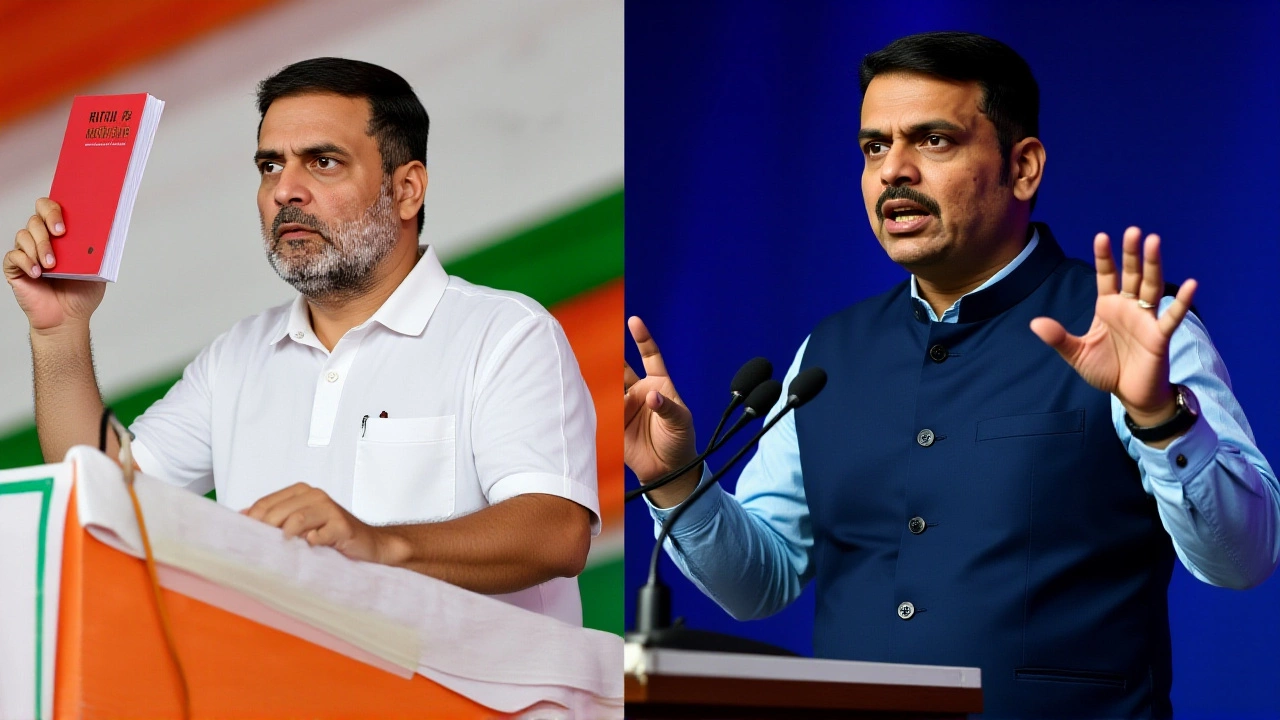
The political temperature in New Delhi spiked on Tuesday as the ruling party launched a sharp verbal assault on the opposition. The Bharatiya Janata Party (BJP) accused Rahul Gandhi, Leader of the Opposition in the Lok Sabha of trying to portray India as weak during a time of global economic uncertainty. But wait—this isn't just about name-calling. It's a calculated move to frame the national narrative around stability versus chaos, using hard data on inflation as ammunition.
Here’s the thing: while many nations are grappling with soaring costs, India’s headline inflation has remained relatively contained. The BJP is leveraging this contrast to argue that Gandhi’s criticism undermines the country’s international standing and domestic confidence. They claim he is sowing anarchy rather than offering constructive solutions.
The Inflation Argument
The core of the BJP’s argument rests on a specific set of numbers. According to party spokesperson Gaurav Bhatia, over the last 80 days, inflation rates have surged sharply in several major economies across the globe. In stark contrast, India’s inflation rate has hovered at just 4% during the same period.
This comparison is central to their messaging strategy. By highlighting that India’s price rise is significantly lower than the global average, the BJP aims to validate its economic management record. They suggest that pointing out flaws in such a stable environment is not only misplaced but potentially damaging to investor sentiment and public morale. The implication is clear: when the rest of the world is struggling, India is holding steady, and criticism from within looks like sabotage.
Charges of Sowing Anarchy
Beyond economics, the rhetoric takes a darker turn. Bhatia explicitly stated that if Gandhi is attempting to spread anarchy, the BJP’s resolve is to make India stronger, more capable, and self-reliant (Atmanirbhar). This framing positions the opposition leader not merely as a critic, but as an agent of disorder.
The twist is how deeply this ties into the current political climate. With elections looming in various states, the stakes for defining "stability" versus "chaos" are incredibly high. The BJP argues that Gandhi’s remarks weaken India’s image on the international stage at a critical juncture. They believe that projecting weakness invites external pressure and internal doubt, both of which they seek to counter aggressively.
The Power of 1.4 Billion
In a particularly striking statement, Bhatia invoked India’s demographic scale. He noted that India, with its population of 1.4 billion people, will march forward strongly—with or without Rahul Gandhi. This is a classic populist appeal, suggesting that the nation’s momentum is driven by its collective strength rather than any single individual’s leadership or critique.
It’s a bold claim. It implies that the progress of the country is inevitable and robust enough to withstand political dissent. For the BJP, this reinforces their narrative of being the party of mass empowerment and structural growth, distinct from what they characterize as personalized politics from the opposition.
Silence from the Opposition
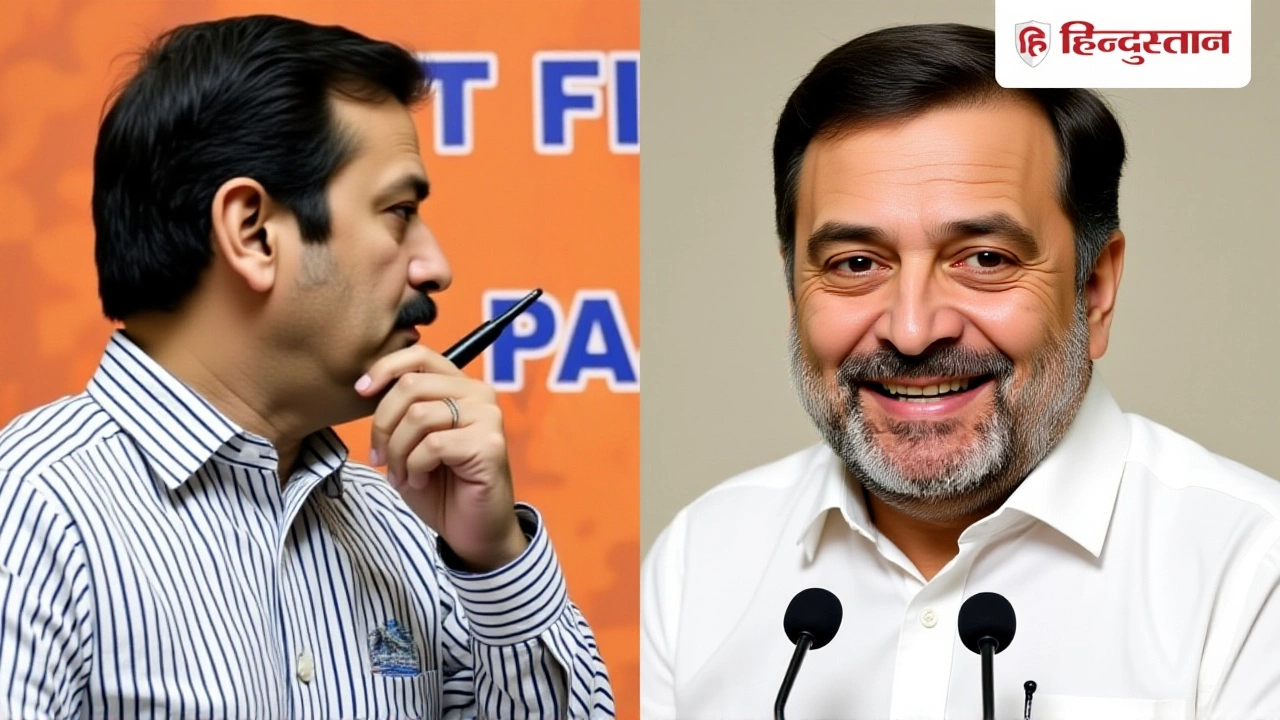
As of now, there has been no direct response from Gandhi or the Indian National Congress. The silence is notable. In Indian politics, speed often matters more than precision in initial reactions. The lack of an immediate rebuttal might be strategic, allowing the BJP’s claims to stand unchallenged in the short term, or it could indicate a different tactical approach entirely.
Without a counter-narrative emerging quickly, the BJP’s version of events—the stable economy under fire from detractors—is likely to dominate the news cycle. Analysts suggest that the Congress party may choose to address these allegations through grassroots mobilization rather than media skirmishes, focusing instead on local issues affecting voters directly.
What This Means for Investors and Citizens
For everyday citizens, the debate over inflation is personal. A 4% rate sounds manageable compared to double-digit spikes seen elsewhere, but the cost of essentials like food and fuel still bites. The political war over who gets credit for keeping prices down affects policy priorities. If the government feels pressured to prove its success, it might maintain current fiscal policies even if some experts argue for adjustments.
Investors watch these signals closely. Political stability is a key driver for foreign direct investment. When top leaders accuse each other of causing instability, markets can jitter. However, since India’s macroeconomic indicators remain relatively strong, the impact is likely muted unless the rhetoric escalates into legislative gridlock or social unrest.
Frequently Asked Questions
Why is the BJP focusing on inflation right now?
The BJP is highlighting inflation because it serves as a tangible metric of economic performance. By comparing India’s 4% inflation rate over the last 80 days to higher rates globally, they aim to demonstrate effective governance. This timing coincides with heightened political scrutiny, making economic stability a key defense against opposition criticism.
Who is Gaurav Bhatia and why does his statement matter?
Gaurav Bhatia is a senior spokesperson for the Bharatiya Janata Party. His statements carry significant weight as they officially articulate the party’s stance on national issues. In this case, his comments define the BJP’s narrative that Rahul Gandhi is undermining national unity and economic confidence, setting the tone for future political debates.
Has Rahul Gandhi responded to these accusations?
There has been no immediate official response from Rahul Gandhi or the Indian National Congress regarding these specific allegations. The absence of a quick reply is unusual in fast-paced Indian politics, suggesting the opposition may be adopting a measured approach or preparing a broader counter-strategy rather than engaging in daily media spats.
What does "sowing anarchy" mean in this context?
In this political context, "sowing anarchy" refers to the accusation that Gandhi’s criticisms create confusion, doubt, and instability among the public and investors. The BJP argues that negative commentary during a global crisis weakens national cohesion and hampers development efforts, effectively painting dissent as destructive behavior.
How does India's inflation compare globally?
According to the BJP’s data, while many countries experienced sharp increases in inflation over the past 80 days, India maintained a rate of approximately 4%. This relative stability is presented as evidence of sound economic policy, distinguishing India from nations facing severe cost-of-living crises and currency devaluations.